Anger with Awareness and Presence
Some thoughts I'm sitting with while living at the intersection of healthy spirituality, LGBTQ+ advocacy and recovery from high-control religion.
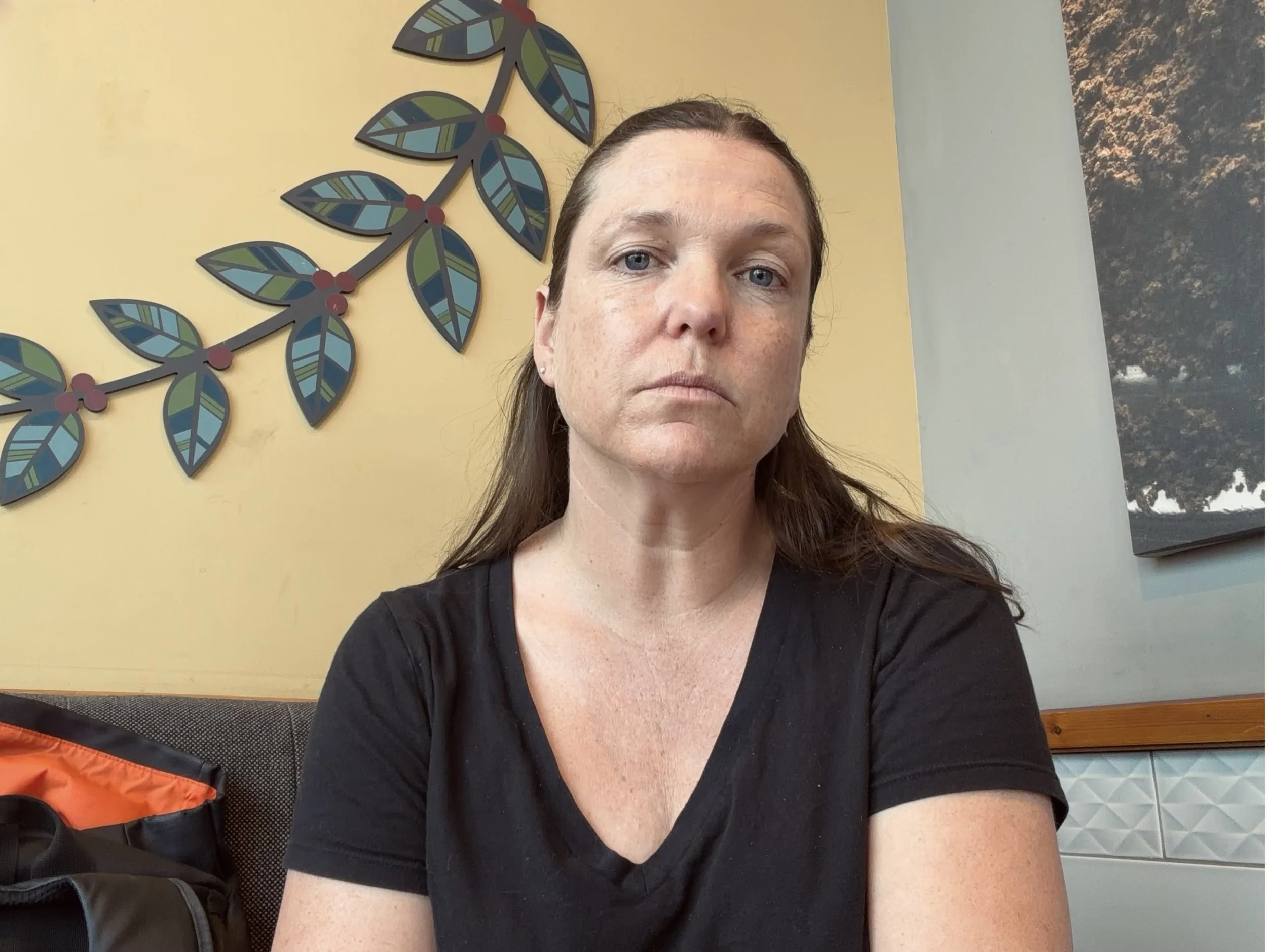
Many of us live at the intersection of building a healthy spirituality, LGBTQ+ advocacy, and the ongoing work of recovering from rigid, high-controlling religious environments that caused real harm. The question I keep coming back to is this: how do we use our anger for life-giving change, without harming ourselves or others, or becoming a mirror image of the very systems that caused our anger in the first place?
Naming the Hurt Is What Frees Us
I didn't learn the tools to know what to do with the anger that rightly arose in me because of injustice and harm. Left unprocessed, it settled into depression and a deep resentment that drained the life out of me.
Maya Angelou put it simply, that anger is necessary, but bitterness corrodes the person carrying it, not whoever caused the harm. Her answer was to acknowledge it, to write it, paint it, dance it, march it, speak it, and keep speaking it.
That's the heart of what LiveLight|DwellDeep spaces can do, whether a retreat online or in person, or a faith shift group, where it's safe to actually name what happened. Denial or suppressing anger doesn't work, it just buries the anger somewhere it will quietly do more damage. And violence, turning the anger outward (or inwards) in ways that harm, doesn't work either; it just repeats the pattern that hurt us in the first place. What does work is naming it, out loud, in the presence of people who can hold it with you. That can break cycles and be liberating.
I discovered forgiveness at 19, within Christianity, and the sense that none of us are beyond the reach of love. But I also learned that expressing anger, especially as a woman, could get one dismissed as too emotional or labelled as rebellious and dangerous. Forgiveness was sometimes used as a tool to keep people quiet and "nice" - rather than as a liberating gift.
The Book of Forgiving by Desmond and Mpho Tutu reframed this for me. Forgiveness became something I give myself - a way to release myself from the toxicity of what someone else has done, while still firmly stating that I am worth more than the way I was treated and I choose to release myself from the impact of it, as a gift I give myself.
Anger as Signal, Not Enemy
I've also found myself returning again and again to Eckhart Tolle's The Power of Now. Tolle offers practical tools, rooted in presence, that help us recognise anger can signal a boundary that's been crossed and let that recognition call us into the action that's needed, for our own wellbeing or someone else's. Anger is a healthy, initial response to something that isn't okay, to manipulation, to harm done in controlling environments. Brené Brown puts it plainly in Atlas of the Heart: "Anger is a catalyst, an emotion we need to transform into something life-giving." Both talk about anger left unprocessed - without awareness or presence, can turn inward and cause us harm, or turn outward and cause others harm. We can get stuck in a cycle that drains us of life, rather than liberates us into a future beyond the harm.
The question I keep sitting with is this: is it possible to fiercely oppose a belief or system I understand as harmful, while still holding compassion for the humans caught inside it and working creatively toward a non-violent alternative, rather than just recreating the harm in a new direction?
Some Tools for Processing Anger with awareness:
Notice the signal. Anger arising is information; a boundary has been crossed. That's clean, motivating energy, not something to suppress.
Practise presence. Naming what's happening, right now, without denial or reactivity. Tolle says one steady, present person can shift the whole energy of a room and changes the quality of what comes next
Say a clear, calm "no." A boundary doesn't need to be shouted to carry weight. "I will no longer participate in this, because it harms people I care about" is enough.
Create something new. Rather than spending all our energy where change is not happening, we can use that same energy to create alternatives, perhaps a support network, an inclusive group, a space where something better can flourish.
Protect those most harmed. Advocacy can mean stepping between a harmful structure/behaviour/words and the people it's hurting, in whatever way is available to us.
Not Perfect, But More Aware
We're all human. We get things wrong and we have to practice the things we want to become good at. This isn't about being perfect, it's about being aware enough to notice anger as it arises, take a breath and choose a response that leads somewhere better.
I offer this writing not with certainty but with humility, as someone still learning, who makes mistakes and who wants to live with freedom and agency and collectively create a better, kinder, strong, more resilience future and world.
If this resonates, you don't have to sit with it alone. I am hosting an accessible Online Retreat called Gathering Embers with Dave Tomlinson, which offers a space to process exactly this kind of anger and grief with others who understand it, as well as reimagining and reclaiming where the life and goodness is in our faith. The same goes for our the ongoing Faith Shift groups, where naming the hurt is part of how we find our way back to agency and freedom. The next one starts in September. Get in touch if you are interested.